The history of the Wheat Research Center of China Agricultural University originated in the 1940s, and was founded by Cai Xu, a famous wheat genetic breeder and agricultural educator in China. In the early days, the academician Cai Xu used more than 3,000 wheat breeding samples collected in the U.S. to develop a number of excellent wheat parental varieties, such as "Early Yang Wheat", "Victory Wheat" and "Minnie 2761". Since then, he has pioneered the innovation of wheat germplasm resources and breeding work in China Agricultural University, and made a significant contribution to wheat breeding and cultivation in China. From 1970s to 1980s, he developed four varieties, including Nongda 311, which won the prize of National Science Conference in 1978. Subsequently, a group of distinguished breeders, such as Yang Zuomin and Liu Guangtian, has inherited and expanded the wheat breeding in China Agricultural University and made remarkable contributions to the evolution of wheat disease resistance and quality improvement.


Our research is aimed at the exploration and innovation of wheat Genetic Resources, Genetic improvement of wheat resistance, Molecular mechanism of wheat polyploidy and hybrid dominance formation, Functional genome of wheat yield and quality, and Molecular breeding of wheat.
In 2015, the Wheat Research Center was officially established, with Professor Qixin Sun as its honorary director and Zhongfu Ni as its director. There are 20 full-time researchers, among whom 12 are professors, 7 are associate professors and 1 are instructors.
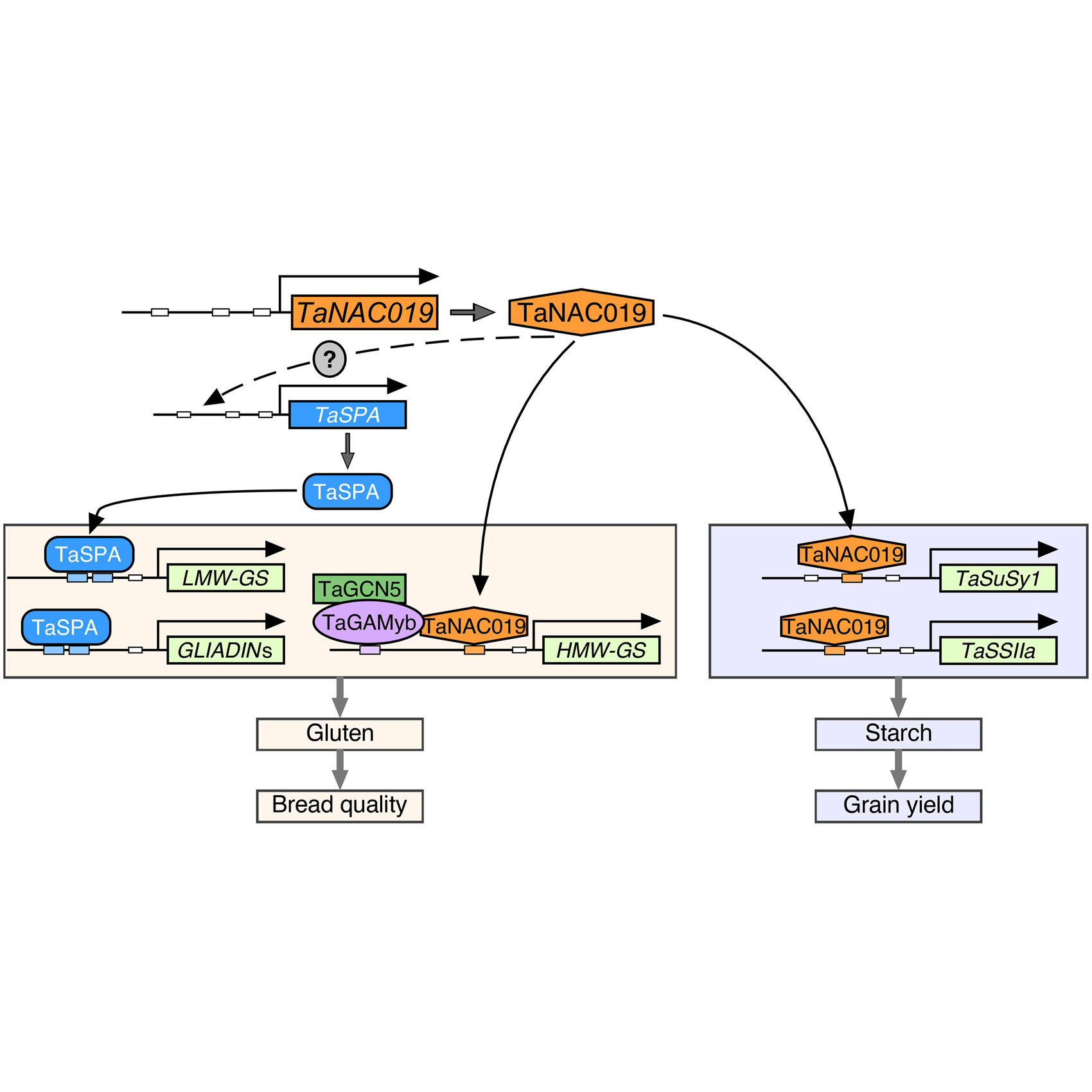
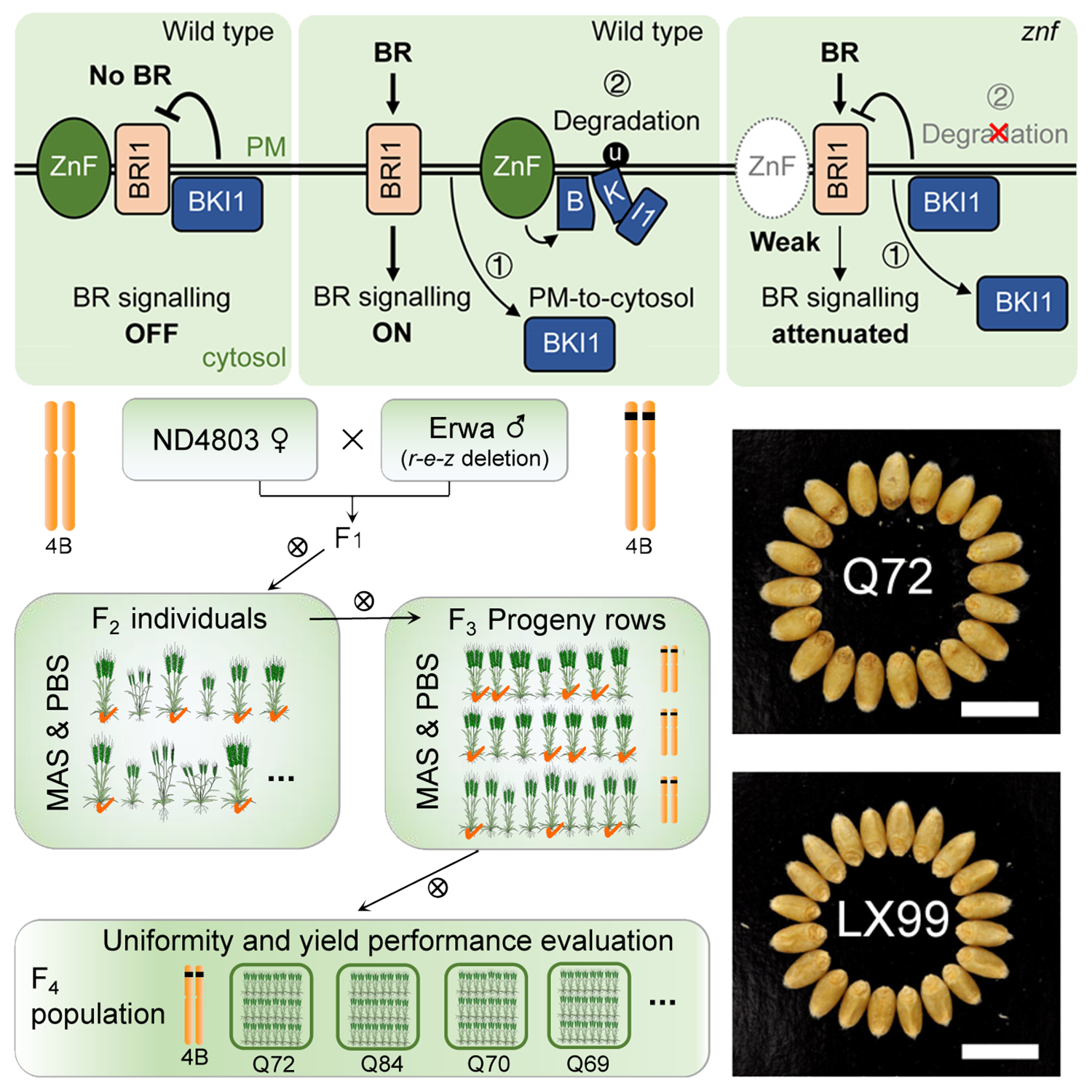
The endosperm-specific transcription factor TaNAC019 regulates glutenin and starch accumulation and its elite allele improves wheat grain quality
View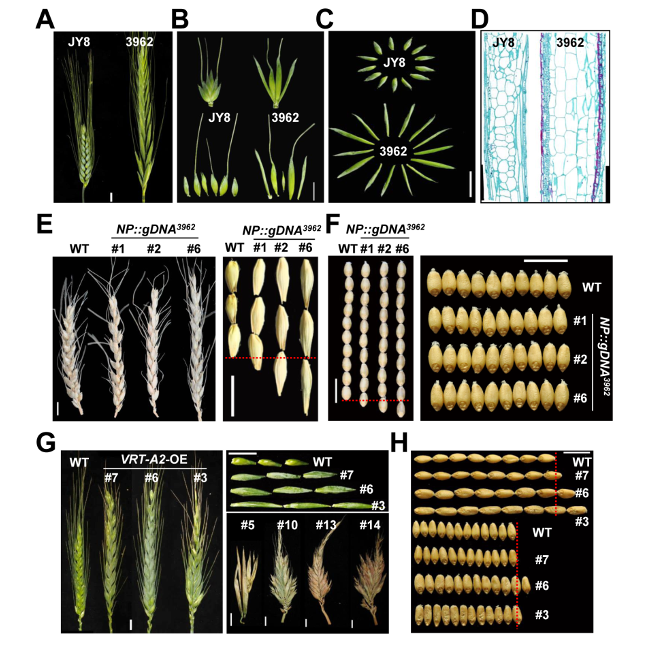
Ectopic expression of VRT-A2 underlies the origin of Triticum polonicum and Triticum petropavlovskyi with long outer glumes and grains
View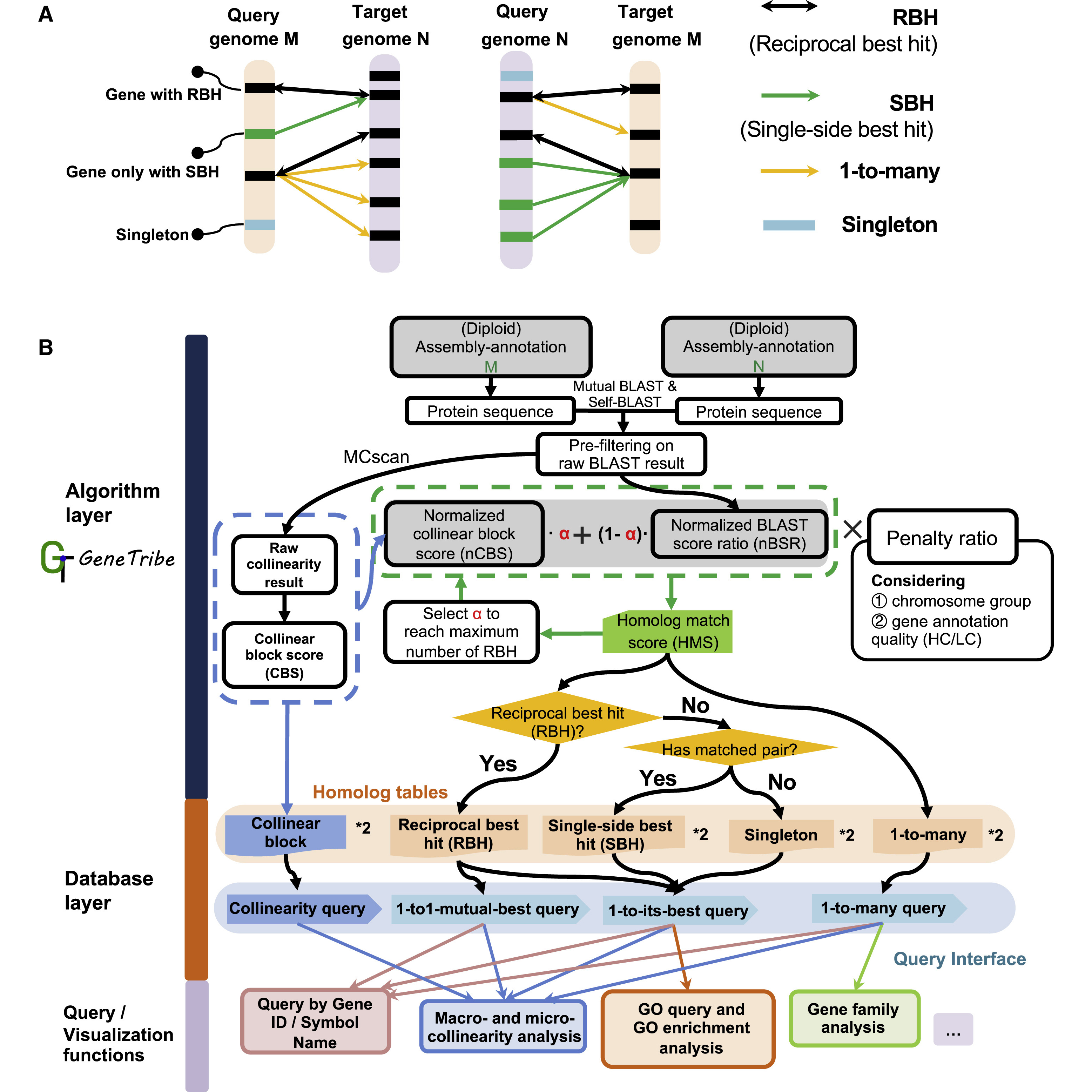
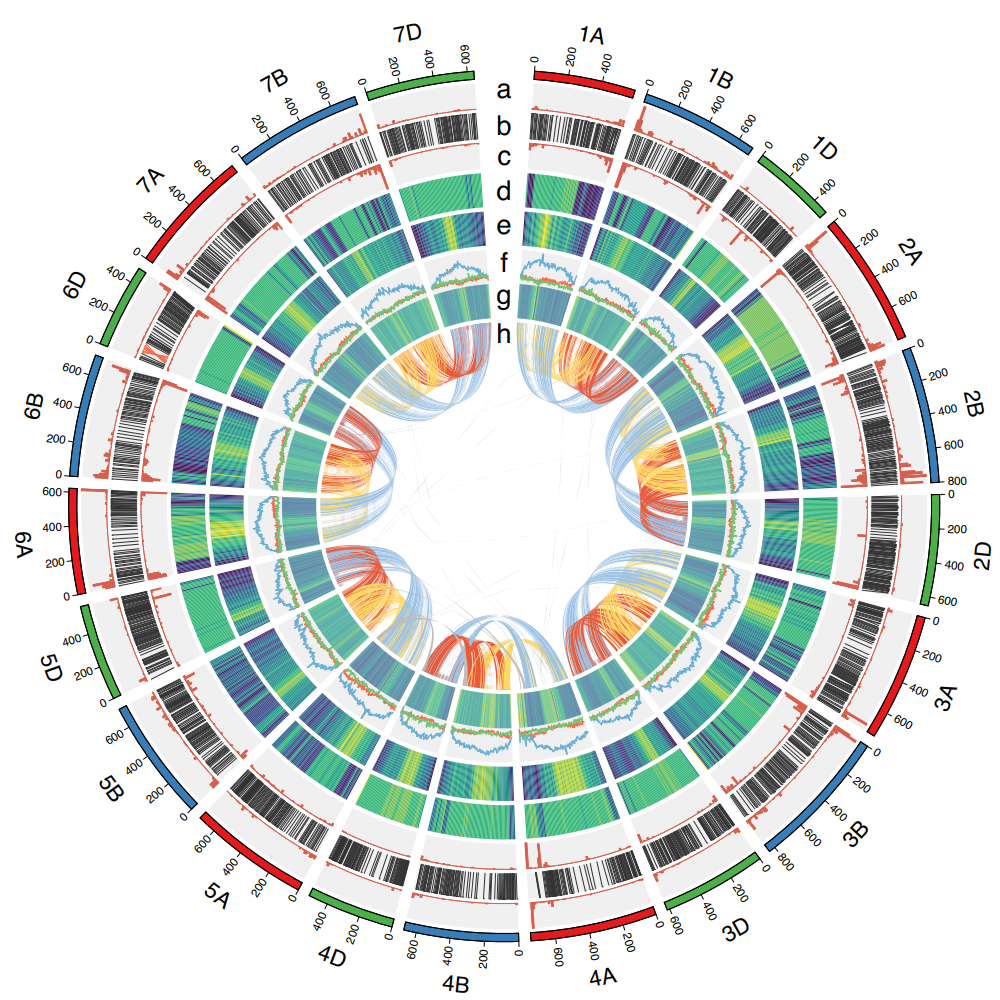
A Collinearity-Incorporating Homology Inference Strategy for Connecting Emerging Assemblies in the Triticeae Tribe as a Pilot Practice in the Plant Pangenomic Era
View
I abide by the principle of being a scientist with integrity and adherence to scientific attitudes and truth-seeking.
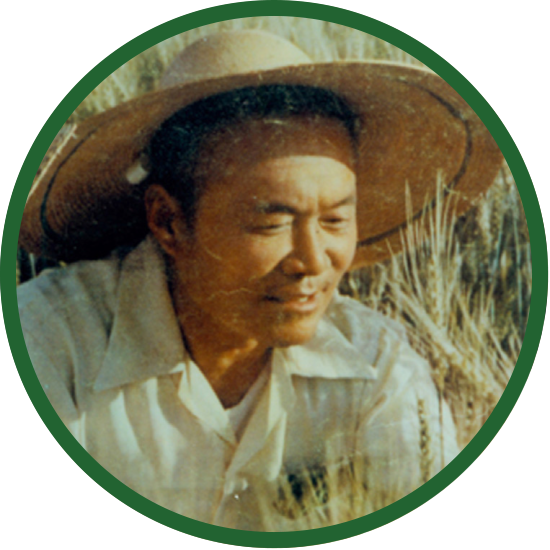
Wheat cultivator and genetic breeder, agricultural educator, pioneer of Chinese wheat hybrid breeding and one of the founders of Chinese wheat breeding work